 AR
AR HY
HY ZH-CN
ZH-CN EN
EN DE
DE EL
EL IT
IT FA
FA PT
PT ES
ES TR
TR JP
JP
Home > Spring Training: Why Your New Running Routine Might Be Irritating Your Bladder
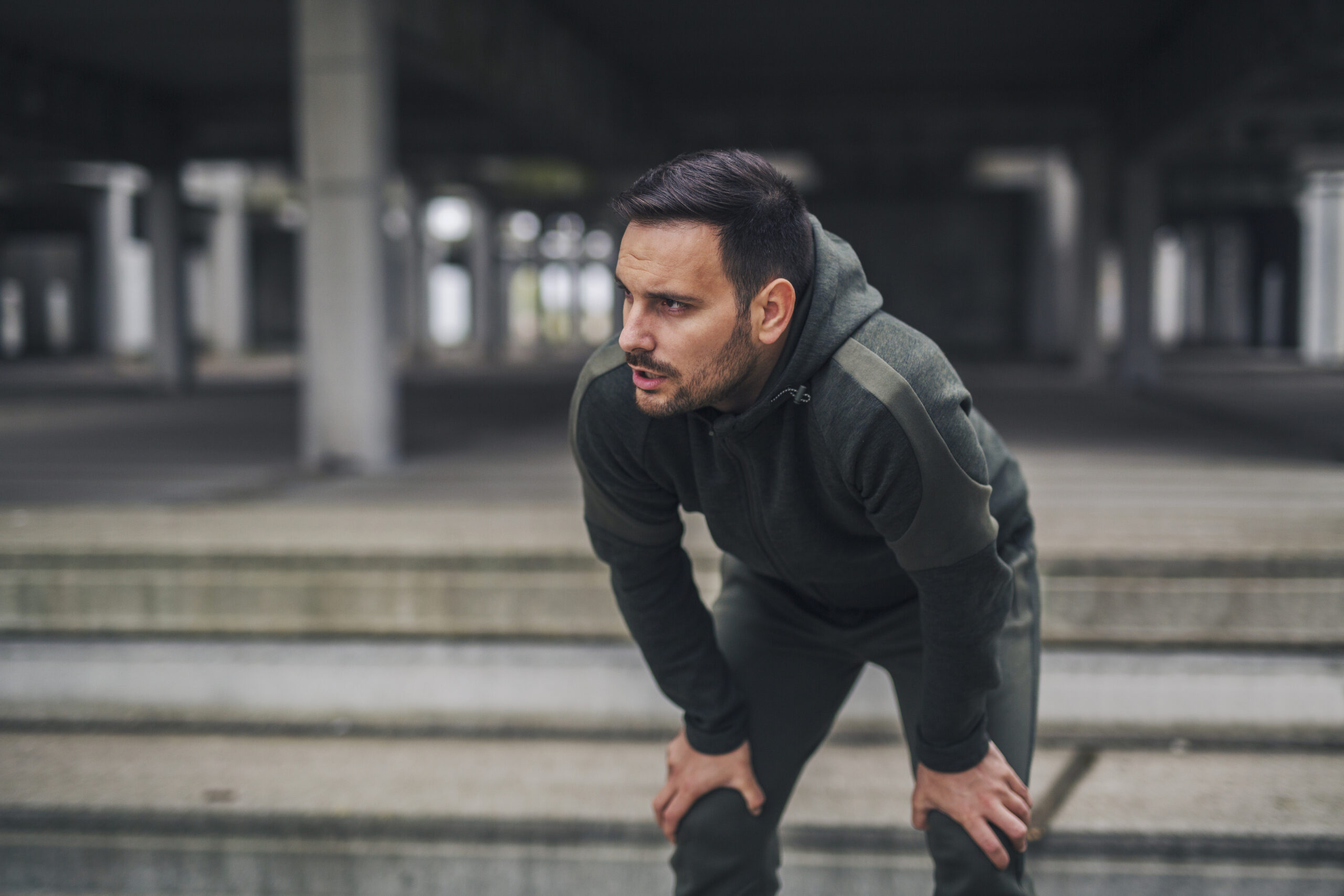
As the weather warms up, many men lace up their running shoes and commit to a fresh spring fitness routine. However, for some of those men, those energizing runs come with an unexpected side effect: increased urinary urgency, frequency, or discomfort. If this sounds familiar, Benign Prostatic Hyperplasia (BPH) may be playing a role.
While running itself isn’t harmful, the physical impact and changes in hydration can aggravate underlying bladder symptoms, turning a healthy habit into a frustrating experience. Understanding why this happens is the first step toward staying active without compromise.
Running is meant to feel like a healthy reset, but if you are living with BPH, certain physical and physiological changes during running can make your bladder irritation worse and make your symptoms more noticeable.
Running is a high-impact activity, and according to a 2023 study conducted by the National Institute of Health, it can cause a strain on your pelvic floor. Each stride creates repetitive force through the pelvis, which can place pressure on the bladder and lead to irritation in that area.
For men with BPH, the prostate is enlarged and already compressing the urethra. This means:
Over time, this repeated stress can make symptoms like urgency and discomfort more pronounced during or even after a run.
Your pelvic floor muscles play a key role in bladder control. While running, these muscles are constantly engaged to stabilize your core and support movement. However, if you are doing an intense run, this can lead to fatigue in these muscles, especially if they are already weakened or imbalanced. This can lead to:
For men with BPH, where urinary flow is already restricted, this added muscular fatigue can further disrupt normal bladder function.
Staying hydrated is essential for performance, but how and when you hydrate matters. Many runners drink large amounts of water right before heading out, which can quickly fill the bladder. In the presence of BPH:
Additionally, electrolyte drinks or caffeine-containing pre-workouts can irritate the bladder lining, which could worsen your symptoms even more.
The good news? You don’t have to give up your running routine in order to relieve your BPH symptoms. With a few adjustments, you can minimize your bladder discomfort while still staying active.
While small adjustments to your running routine can go a long way, they don’t always fully resolve urinary symptoms, especially when BPH is the underlying cause. If these symptoms persist, it may be time to look beyond lifestyle strategies and consider medical solutions.
Today’s BPH treatments have evolved far beyond traditional surgery. Many minimally invasive options are specifically designed to relieve symptoms while still preserving your quality of life and will allow you to return to normal activities quickly. Some commonly recommended options include:
Addressing BPH early can help you to restore more predictable bladder control, reduce interruptions during your exercises and your daily life, and help you maintain an active, consistent fitness routine.
Spring is the perfect time to recommit to your health, but your running routine shouldn’t come at the expense of your comfort. If you are noticing increased urgency or disruption during your workouts, it may be a sign you have BPH.
The good news is that with the right strategies – and, when needed, effective treatment options – you can stay active and in control. Book a consultation with Dr. Zorn, our world-class urologist today and regain your comfort.